Coffee processing is far more than a necessary step after harvesting. It defines the sensory profile of the bean, modulates sweetness, acidity and body, and deliberately opens up possibilities for experimentation.
Coffee blog / Kaffeeaufbereitung
-
January 16, 2026
-
July 17, 2025
Red Honey from Aquiares Estate - new beans from Costa Rica
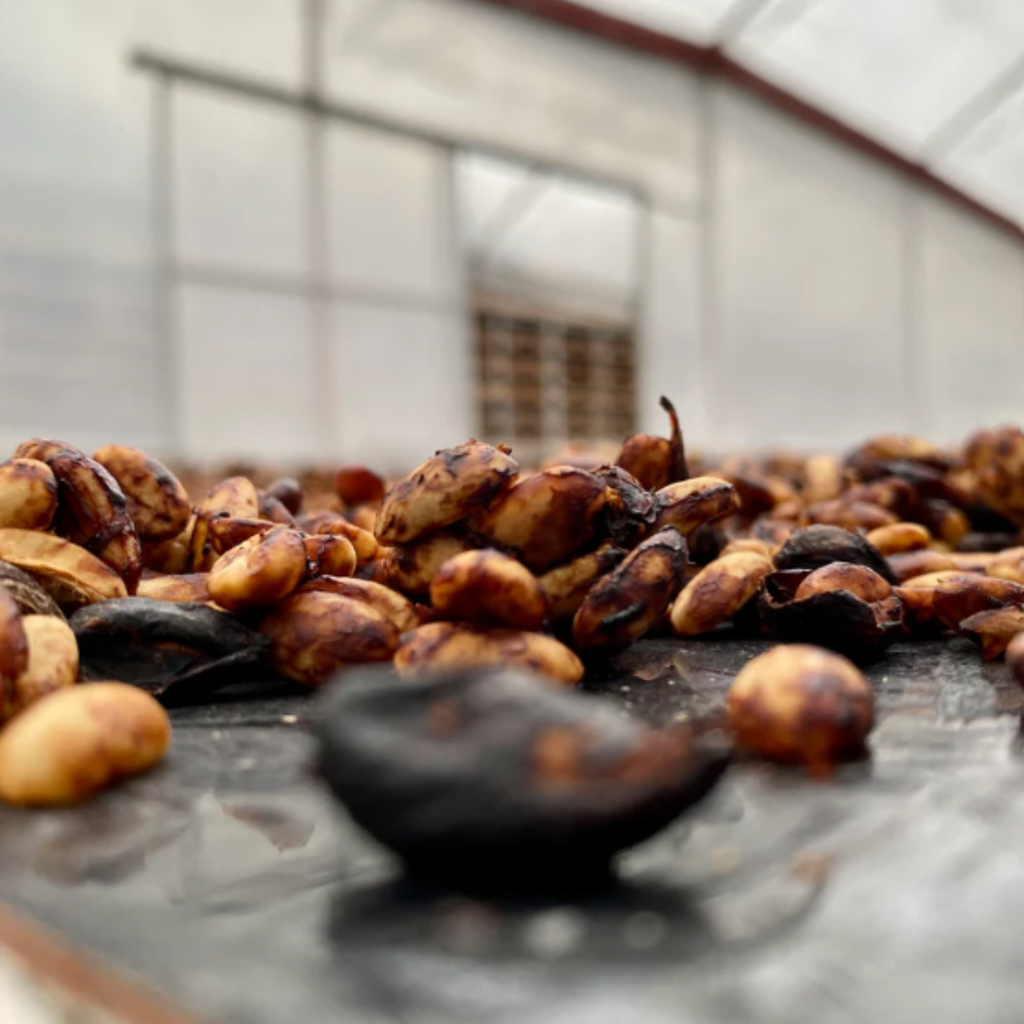
Our lot comes from the Centroamericano H1 variety—an F1 hybrid bred for resilience and a complex flavor profile. In the Red Honey process, some of the pulp remains on the bean while it slowly dries in the sun.
-
August 07, 2024
From the plant to the cup: This is how the taste gets into the coffee beans
Our black coffee packs with the colorful horizontal stripe not only bear the name of the coffee, but also the three most distinctive flavor nuances – from nutmeg, dark chocolate, roasted nuts, or pecan to jasmine, black tea, mountain peach, or blood orange. Each bean tells its own story through its aromatic diversity. -
July 25, 2024
Anaerobic treatment - Fermentation without oxygen
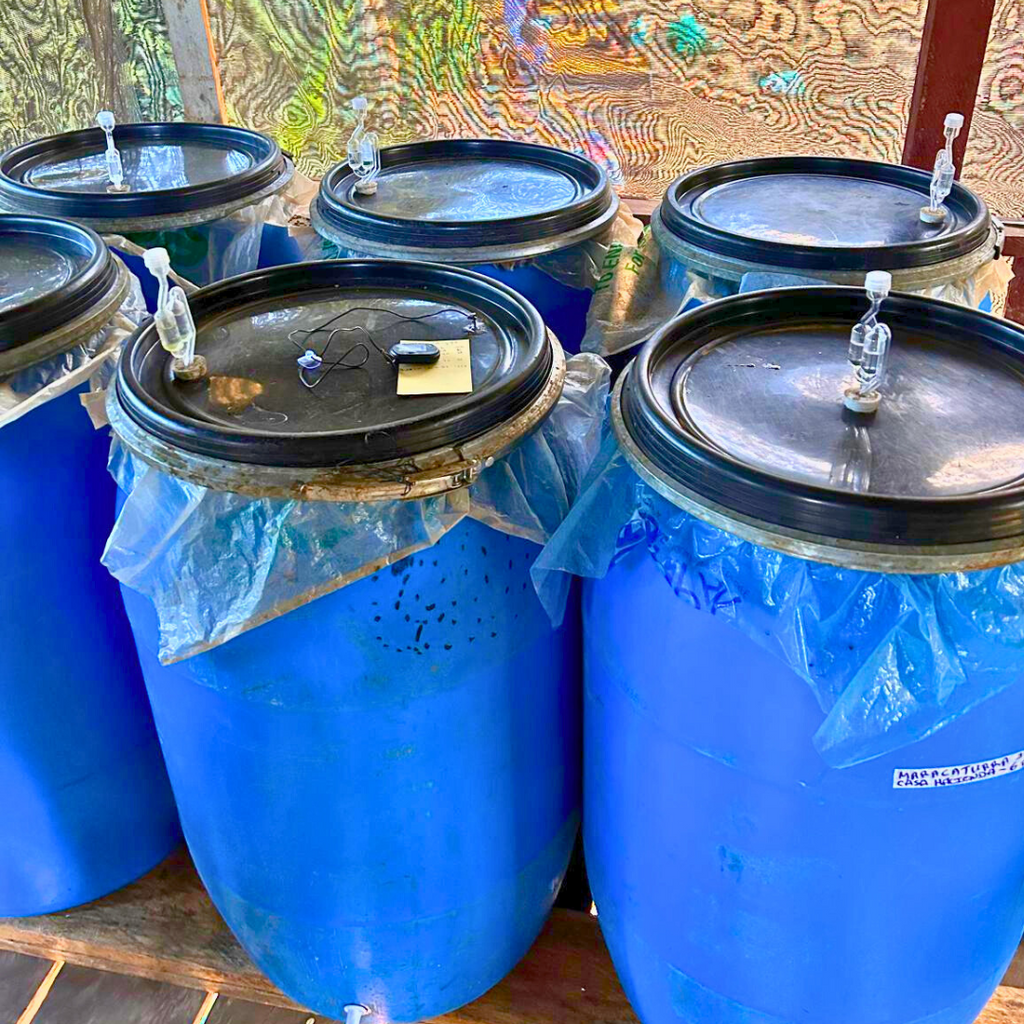
Fermentation is a natural process used in coffee processing. Innovative fermentation techniques have enabled coffee producers to innovate this method and explore new flavor dimensions. One of these techniques is anaerobic processing. -
July 19, 2024
Sweet like honey – What is actually behind the Honey Process?
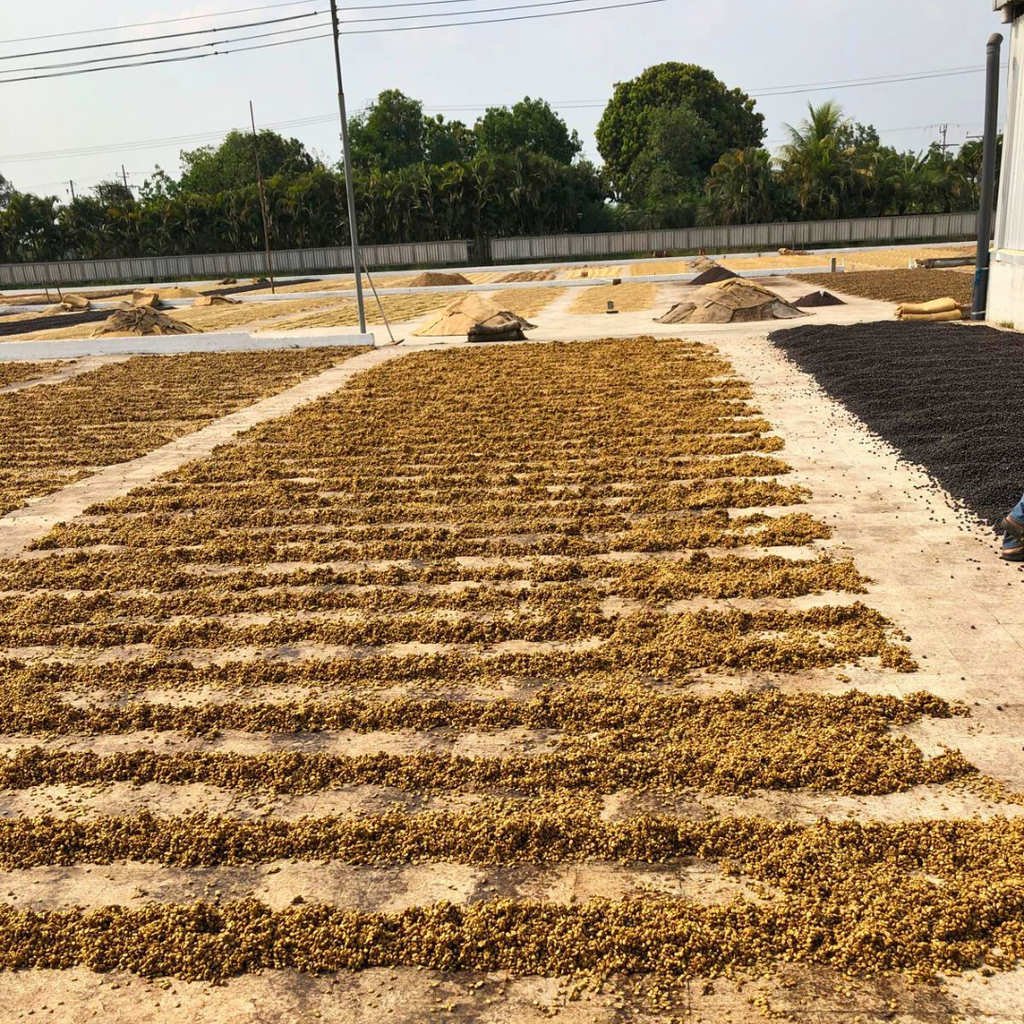
As the name suggests, semi-dry processing is a blend of dry and wet processing techniques. This method is also known as honey processing . The honey processing method produces coffees with a natural, pronounced sweetness. -
June 07, 2024
After harvesting, the beans go for a bath – How is washed coffee processed?
In contrast to natural processing, in wet processing, also called washed processing, the beans are separated from their flesh immediately after harvest to prevent possible fermentation processes in the flesh. Only then are the cherries evenly dried.
- 1
- 2